 Falconers Center
Laws and documents
Falconry and the law: what the laws of Uzbekistan say
Hunting with a bird of prey, the hunting licence, keeping in captivity, import and export, liability — from the law texts on lex.uz.
Conserving falconry birds: soft release of saker falcons, genetic identification, breeding with a partner breeding centre.
Articles on species, their protection, keeping and health — with links to sources.
Plain-language explainers of laws and documents. We show how the rules work, but we do not set them.
Use a ring or microchip number to see whether a bird is in the register.
Hunting with a bird of prey, the hunting licence, keeping in captivity, import and export, liability — from the law texts on lex.uz.

Which permits a bird needs to cross a border, who issues them in Uzbekistan, and why proving legality is the owner’s job.
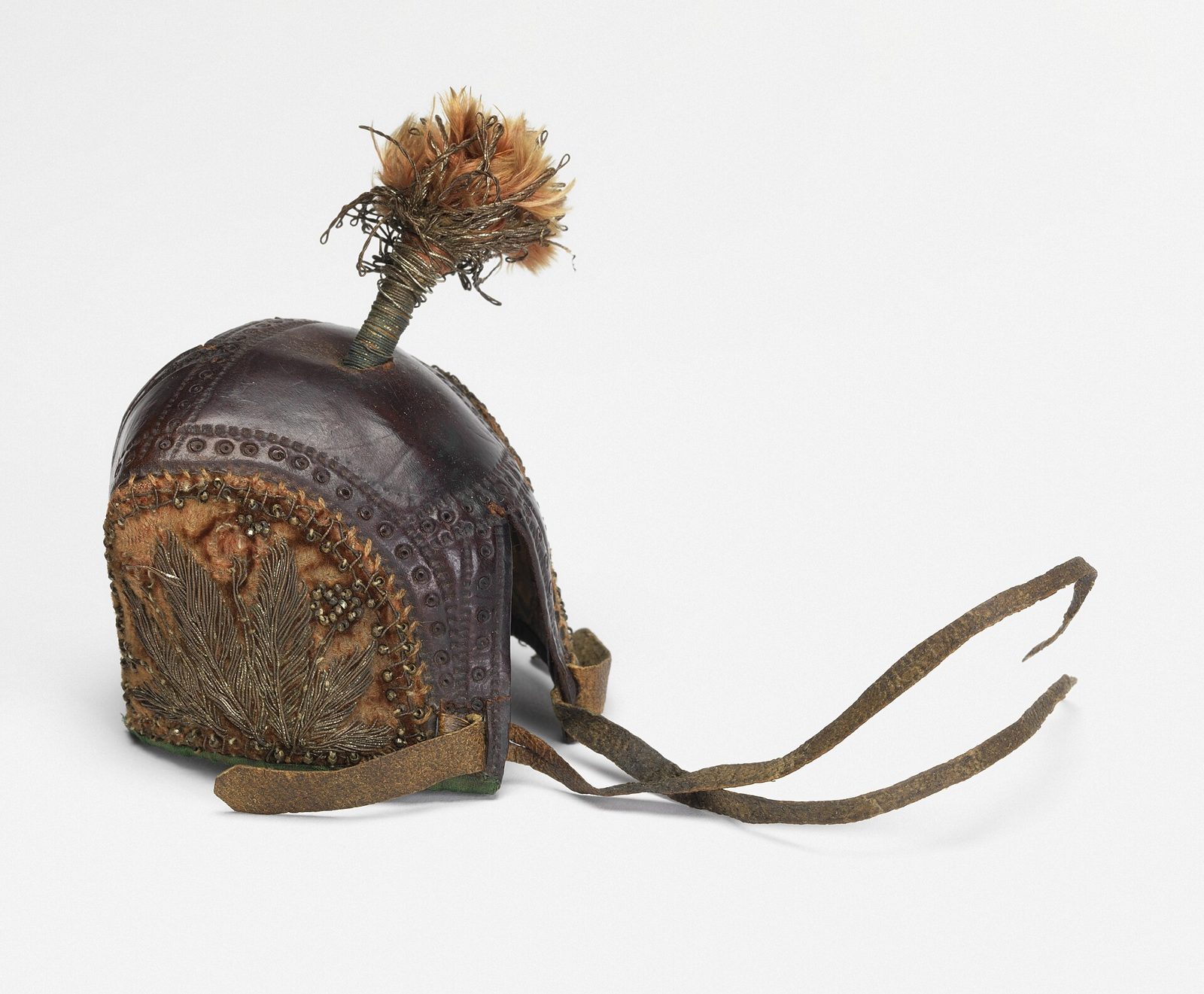
Aviary, perch, water, feeding, weight, feet and moult — following IAF and veterinary guidance.
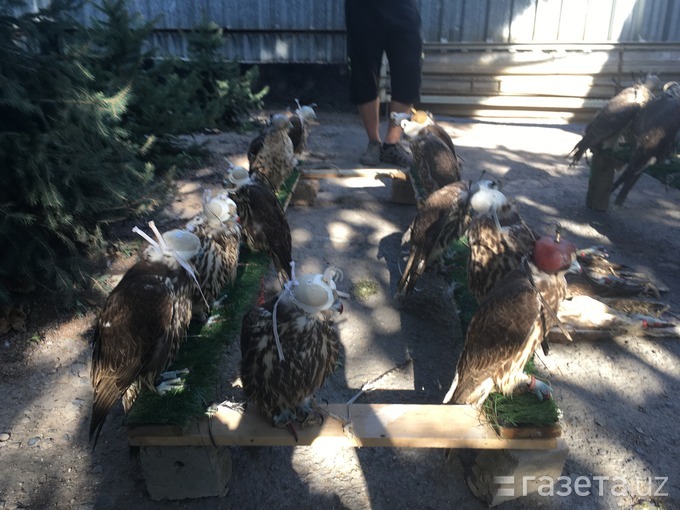
The Center is setting up a genetic identification laboratory: a genetic passport for every falcon.
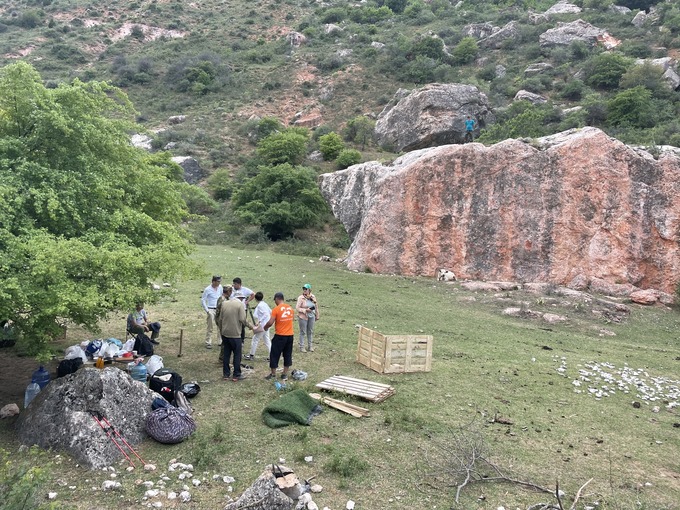
Six saker chicks were released using the soft-release method — a project of the Center supported by the GEF Small Grants Programme.
Events and announcements from the Center will appear here. For now, the latest news is on our Telegram channel.
2021
On 22 May 2021, six saker chicks were released into the wild in a foothill district of Tashkent Region. After quarantine, a veterinary check, ringing and microchipping, chicks are placed in a hack box 7–10 days before fledging. The project was co-financed by the GEF Small Grants Programme; the chicks came from the Tugan Falconry Club breeding centre.
Source: Gazeta.uz, 24 May 2021
More about the project →2023
A genetic identification laboratory giving each falcon a genetic passport, starting with sakers, shaheens and peregrines — a tool to control the trade in these birds and to monitor populations. Supported by the GEF Small Grants Programme.
Source: Gazeta.uz, 3 March 2023 · GEF Small Grants Programme
More about the project →Enter a ring or microchip number to check whether the bird is listed in the Center register.
Species in the Center register. The CITES appendix shows how international trade in a species is controlled: Appendix I is the strictest.
Falconry cannot be learned from a book: a falconer spends years learning to understand the bird, and experience passes from mentor to apprentice. UNESCO has inscribed falconry on its list of the Intangible Cultural Heritage of Humanity.
The Center gathers and checks knowledge about falconry birds and shares it openly, so that the tradition lives on and birds are kept lawfully and with care.
New articles, explainers and project news — on our social media.